
Whether Sp5der Is the Luxury Brand or Urban Fashion
This inquiry appears uncomplicated enough before you truly try to address it: is Sp5der qualify as a premium name or a streetwear label? In 2026, this discussion grows increasingly hard to settle because the two segments have been bleeding into each other for several years, and Sp5der holds a compelling position exactly at that boundary. Sp5der commands price points that typical fashion consumers would correlate with luxury — sp5der hoodies generally retail between $150 and $350, and secondary market values rise significantly higher for desirable color variants. But, the sales model, the aesthetic language, the cultural community, and the origin narrative all seem unmistakably embedded in hip-hop fashion. Luxury brands function out of established houses; Sp5der grew out of rap roots and limited-quantity model. Still, describing it simply street fashion seems diminishing given the prices, the community cachet, and the manner in which the label has been recognized by the style press. This is far from a discussion with a simple yes-or-no answer — it is a discussion that uncovers much that is genuinely interesting about how fashion are heading in the current age.
What Constitutes a Name “Luxury” Today
Prior to situating Sp5der along a particular continuum, it is useful exploring what luxury branding actually means in 2026, because the meaning has changed dramatically from what it was even a decade ago. Classic high-end houses — consider Hermès, Louis Vuitton, Chanel — rests upon a defined framework: heritage legacy, skilled craftsmanship, limited availability through branded boutiques, and price points that signal extreme prestige to the widest range of consumers. The components are outstanding, the craftsmanship is provable, the history is extensive, and the customer base is inherently defined by affluence. Present-day designer brands has redefined this structure, as houses like Off-White, Palm Angels, and Balenciaga demonstrated that streetwear visual language and luxury price points could coexist without conflict. Rarity, cultural relevance, and high-profile their favorite spiderhoodie.eu.com endorsement have risen as different bases for premium positioning, replacing or supplementing the conventional elements of heritage and craftsmanship. Within this expanded understanding of luxury, Sp5der meets the criteria on multiple criteria: it is hard to obtain, it is culturally meaningful, it commands high retail values, and it holds considerable cultural status worth. Nevertheless, Sp5der does not carry the artisanal heritage story, the tailored construction benchmarks, or the old-money class marker that marks heritage high-end brands. The premium question is really about which framework you employ — the original one or the evolving contemporary one — and thoughtful engagement with that question shows more than any neat affirmative or negative response.
What Defines Sp5der Unquestionably Streetwear
From the street culture perspective of the discussion, Sp5der’s standing are effectively unimpeachable, and its resonance with essential streetwear elements is visible in almost every aspect of the way the brand works. Launch model is the most obvious indicator: making available finite units of pieces at unpredictable times to generate shopping rushes is the characteristic signature of streetwear, from Supreme to Palace to Sp5der. The aesthetic style — bold artwork, cobweb imagery, vivid color palettes, boxy cuts — borrows straight from the graffiti, skateboarding, and hip-hop visual roots that contributed to street fashion as a movement. The genesis tale is street culture to its core: a rap creator founds a brand that embodies his unique style and cultural principles, building a tribe of like-minded followers around a collective design identity. The main retail approach — a direct-to-consumer website with intermittent in-person installations — mirrors how every defining street fashion brand engages with its community since the web enabled direct retail viable. The culture that builds around sp5der clothing — watching new pieces, arguing about colorways, striving to acquire pieces at standard cost — is essentially similar to the ecosystems that form around Supreme, Bape, and every other brand that contributed to streetwear development over the past thirty years. Sp5der’s retail prices is higher than average streetwear but less than established designer costs, which positions it in the top-tier street fashion tier that continues to grow continuously since Kanye West illustrated with Yeezy that street fashion can reach premium pricing without compromising its street-culture foundations.
Reasons to Consider Calling Sp5der as a Luxury Name
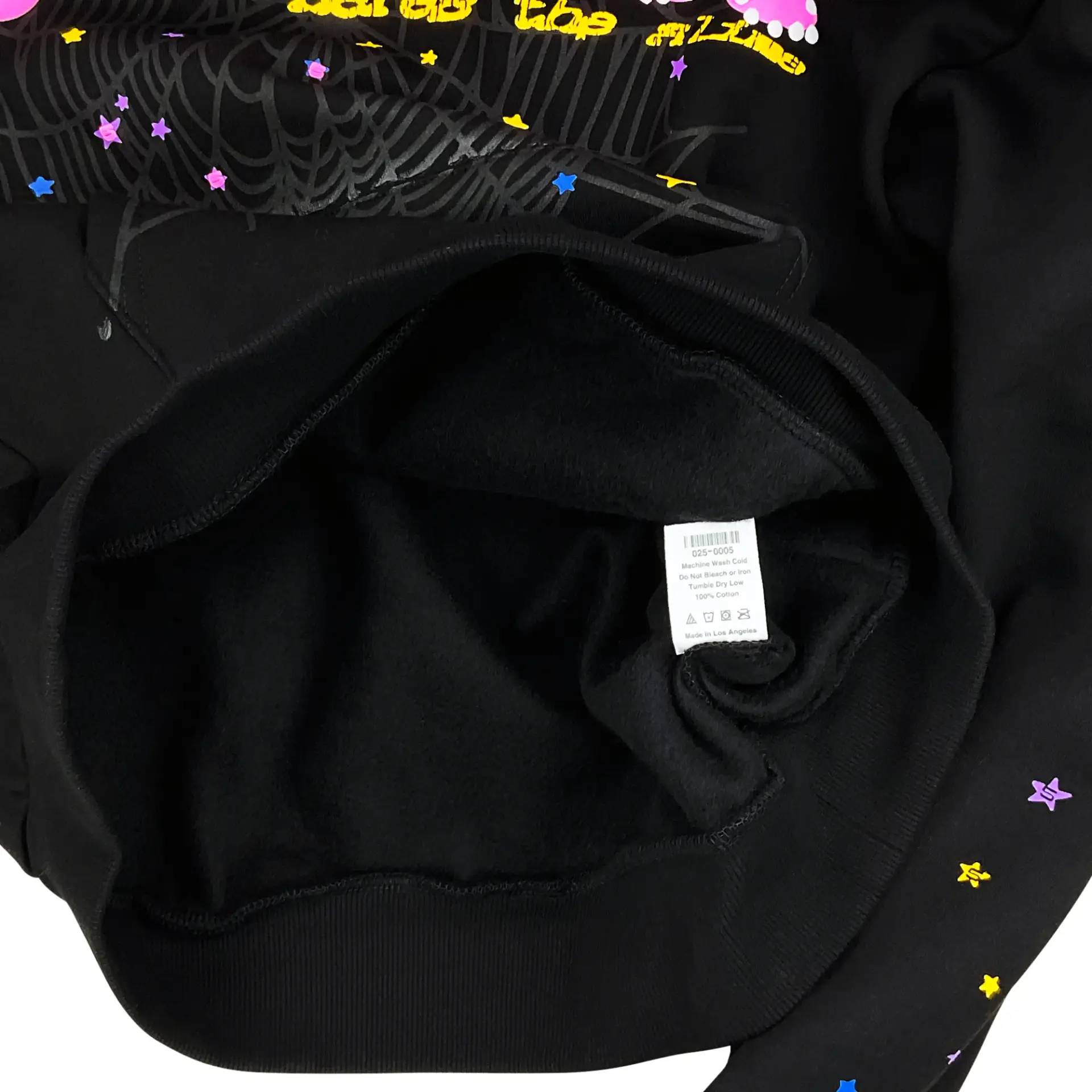
Notwithstanding its urban fashion origins, there is a credible position to be considered that Sp5der has stepped into designer category — or at minimum into a different category that demands a updated framework. The aftermarket premiums for the most sought-after sp5der hoodies rise into the hundreds and occasionally thousands of dollars, putting them in a cost bracket that overlaps with authentic high-end items by most measure. The cultural cachet linked to owning an real sp5der hoodie at original cost — the specialized familiarity essential, the competitive nature entailed, the social respect it earns — echoes the kind of social signal logic that remain central to the way designer goods function in cultural contexts. The brand was analyzed in style publications that usually report on the high-end space, indicating that the market’s own gatekeepers of style have accepted Sp5der into a dialogue traditionally saved for more established labels. The truth that counterfeiting is pervasive in the sp5der community is a unintentional proof of premium value: counterfeits multiply where authentic pieces hold true prestige, and the fake market around sp5der clothing is equally advanced as the one around Louis Vuitton or Gucci. Younger buyers in 2026 consistently spend sp5der money on garments they treat with the same consideration and regard that older consumers held for high-value designer products — preserving them diligently, following their worth, and styling them exclusively in the right situation. The emotional connection that devoted fans maintain with their sp5der hoodies is indistinguishable from how high-end buyers interact with their most cherished items, regardless of which label label the brand formally claims.
Sp5der Against Traditional High-End: A Head-to-Head Look
| Factor | Classic Designer (e.g. Gucci) | Sp5der |
|---|---|---|
| Cost range | $500–$5,000+ per item | $150–$350 retail; more expensive on aftermarket |
| Availability | Proprietary stores, high-end retailers | Online launches, intermittent in-person events |
| Background | Centuries of company history | Established in the early 2020s by Young Thug |
| Scarcity strategy | High pricing + limited availability | Small quantities + limited-drop mechanics |
| Cultural prestige | Wealth and status communication | Cultural knowledge and social membership |
| Target market | Wealthy consumers, 25–55+ | Younger 16–30, street culture and streetwear following |
| Counterfeit ecosystem | Extensive (Vuitton, Gucci, Chanel) | Considerable and growing |
The Premium Urban Fashion Category: The Space Where Sp5der Genuinely Sits
The most defensibly truthful answer to the luxury versus streetwear matter is that Sp5der occupies a segment that had no a commonly used term until recently: high-end street fashion. High-end urban fashion refers to names that are grounded in streetwear’s origins and culture but function at cost structures, cultural standing levels, and quality benchmarks that meaningfully exceed what the word “streetwear” historically implied. The tier’s other members count labels like Rhude, Fear of God, and the top tiers of Kanye West’s Yeezy label — labels that developed out of rap and city roots but now command price points and cultural authority that blur the established boundaries. The factor that differentiates elevated street fashion from traditional luxury is mainly the history lineage and the delivery model: luxury labels have lineage and curated shopping environments; high-end streetwear labels offer street-culture immediacy and web-based sales. What differentiates it from classic street fashion is retail value, quality expectation, and social aspiration. Sp5der aligns with this paradigm precisely — it is priced above mass and too culturally significant to be categorized with inexpensive streetwear names, but too authentically rooted and digital-first to be placed with Gucci or Louis Vuitton. As reported by Business of Fashion’s analysis of the premium streetwear sector, names in this space are the fastest-developing part of the industry-wide apparel industry, exceeding both established designer and standard fashion in income development and buyer demand. Sp5der’s position in this tier is both secure and culturally impactful in 2026.
Why the Response Genuinely Is Important to Buyers
Understanding the space in which Sp5der lands on the luxury-or-streetwear spectrum is more than an academic labeling practice — it produces tangible meaning for how consumers relate to and commit to the name. Should Sp5der be chiefly a urban fashion brand with premium cost structures, fans may sensibly wonder whether the added expense is defensible purely by material value, and the response would be debatable at best. Should it be practically a status-based high-end item — where the price communicates cultural capital and social messaging power rather than production price — then the calculation shifts completely, and the extra price becomes more defensible within its own logic. Shoppers who approach sp5der clothing as elevated streetwear — paying for social connection and identity as much as for the actual garment — typically feel considerably happier with their investments than buyers who measure it purely as a commodity. The label’s positioning also affects resale behavior: elevated street fashion with authentic cultural standing holds value more reliably across time than trend-dependent pieces from names with more limited foundations. Today, the most useful perspective for understanding Sp5der is as a new version of premium — a kind characterized by insider awareness, community inclusion, and drop-model involvement rather than legacy history and boutique distribution. This rethinking does not undermine the label; actually, it positions it more interesting as a fashion and business force worth recognizing on its own terms.